Restore the sash
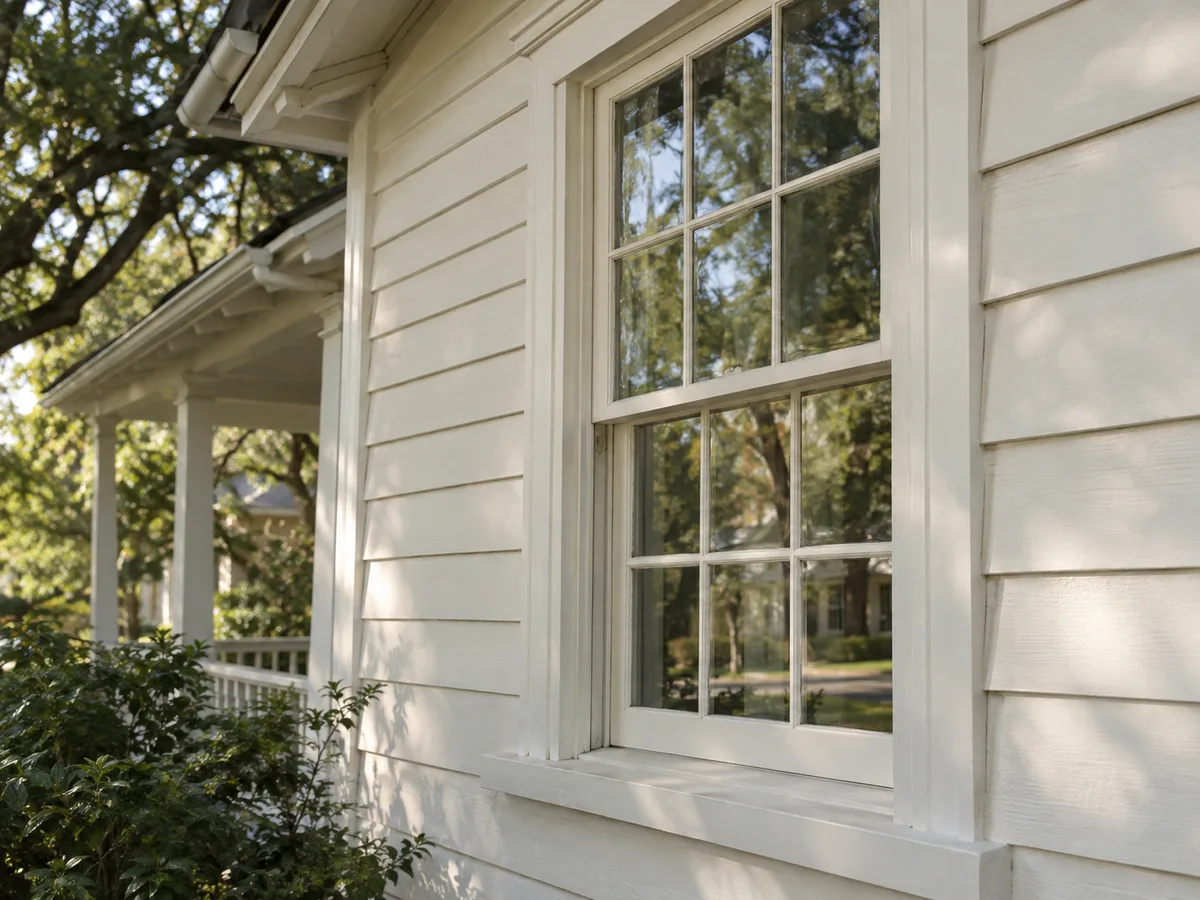
Where the original wood is sound, the sash can be repaired, re-glazed and fitted with new weatherstrip, and the frame stays in the wall.
San Bernardino Window Replacement is a trusted specialist in window replacement in Claremont, CA and the eastern Los Angeles County foothills, specializing in matched-profile wood and clad-wood windows, slim-sightline frames for mid-century glass walls and lead-safe removal of old painted sash. We offer historic sash repair and full-frame replacement.
Our team provides period-correct window packages, delivering original character outside and modern glass inside for both residential and commercial projects. We photograph and measure every existing sash before we write the scope, so the replacement profile, the muntin pattern and the glass package are all on paper before anything is ordered.
From matching a narrow muntin on a street-facing sash to replacing every opening in a postwar ranch house, our team handles every detail. Serving Claremont along with Upland, San Antonio Heights and La Verne, we keep old trim intact wherever it can be saved.
Why San Bernardino Window Replacement
The installer who measures your openings is the one who sets the new windows, from the first visit to the final walk.
Claremont is a college town with a deep stock of older houses, and that makes a window job here about character as much as performance. The city sits in Los Angeles County at the foothills of the San Gabriel Mountains, home to the seven Claremont Colleges, and is known for tree-lined streets and historic buildings. It has called itself the City of Trees and PhDs, and its tree-planting habit dates back to incorporation in 1907.
Much of the city's housing dates from the postwar decades, set around an older core near The Village, the walkable district of shops and restaurants beside the colleges. To the north, former citrus land along the foothills was built out with larger homes, including foothill neighbourhoods such as Claraboya.
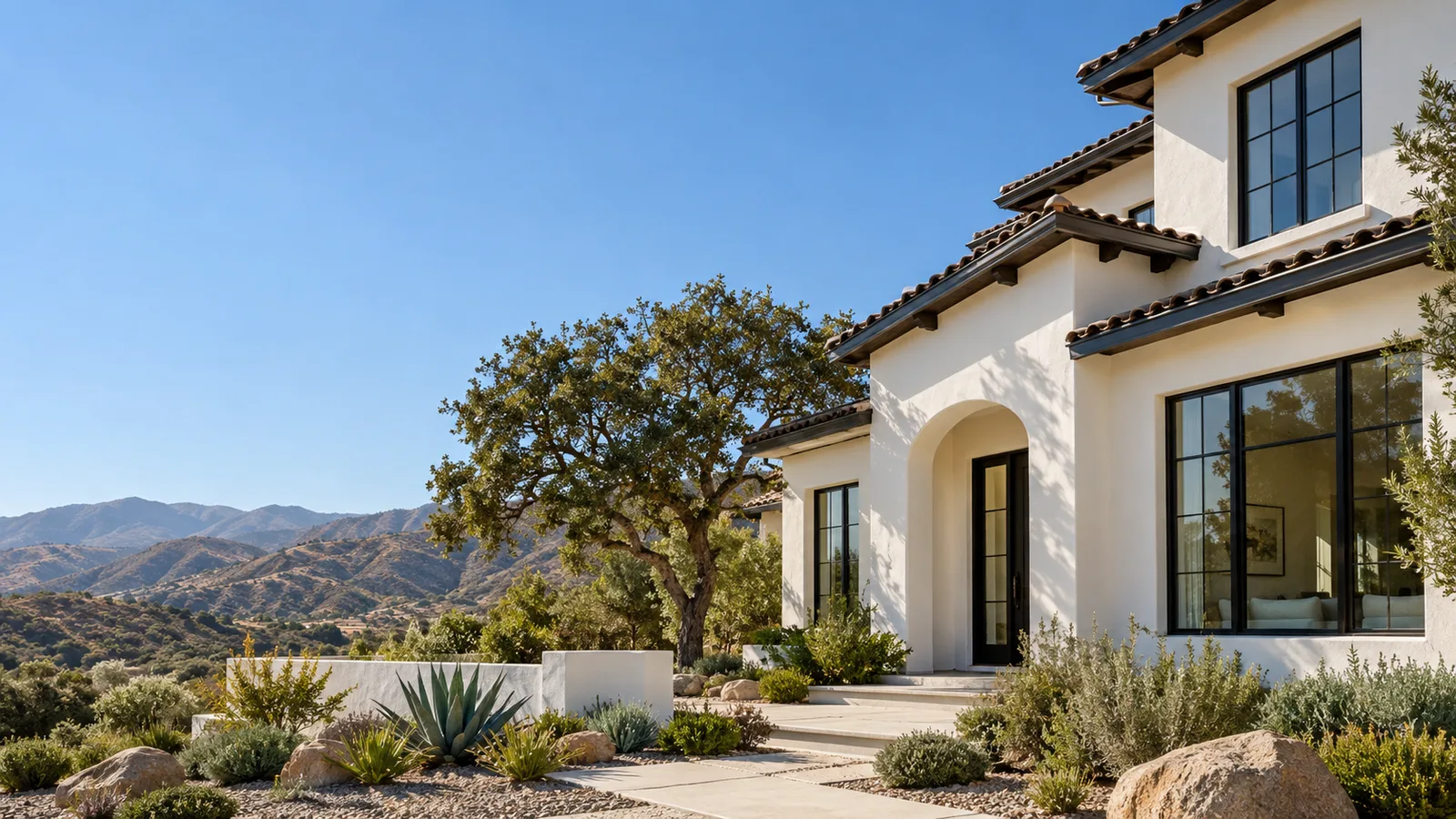
So one Claremont window project can mean very different things: original wood sash in an older house near the colleges, a long wall of glass in a mid-century home, or big openings in a newer foothill house. We start by identifying which one you have.
On an older Claremont home, the windows are part of the architecture, so the first question is restore or match, never just replace. A cheap flat vinyl insert in a period opening changes the face of the house.
Where the original wood is sound, the sash can be repaired, re-glazed and fitted with new weatherstrip, and the frame stays in the wall.
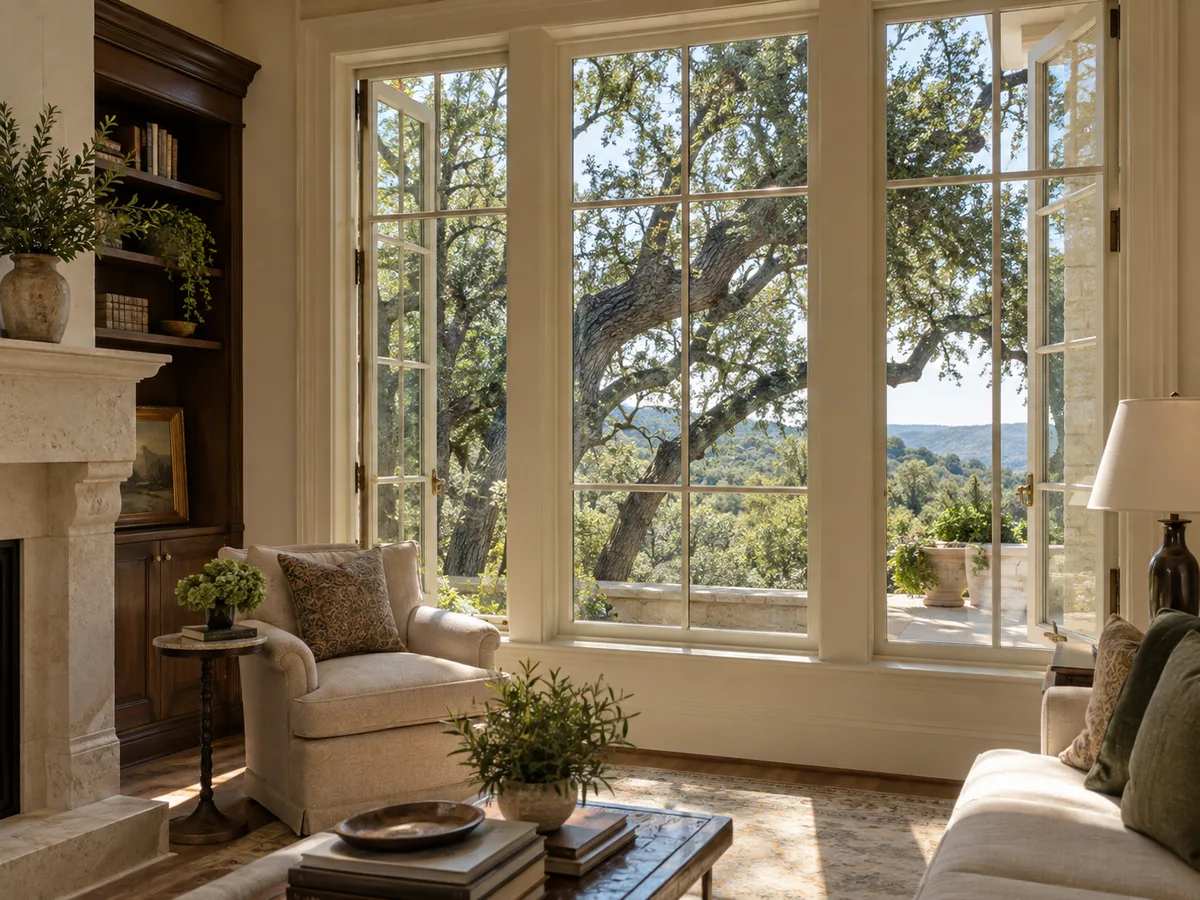
Where the sash is past saving, a new wood or clad-wood unit can be ordered to match the sightlines, sash proportions and muntin pattern, with a modern insulated glass unit behind the profile.
Homes built before 1978 can carry lead paint on the sash and trim. The federal Renovation, Repair and Painting rule calls for lead-safe work practices whenever paid work disturbs painted surfaces in those homes, so containment, careful removal and a thorough cleanup are part of the scope.
Claremont's zoning code sends exterior changes to existing homes in the HC (Historical Claremont) district to the Architectural and Preservation Commission when the Director of Community Development finds a substantial adverse visual impact, a privacy concern or a mismatch with surrounding architecture; otherwise the change is handled by staff. We find out which path applies before ordering, and a matched profile is usually the easiest one to approve.
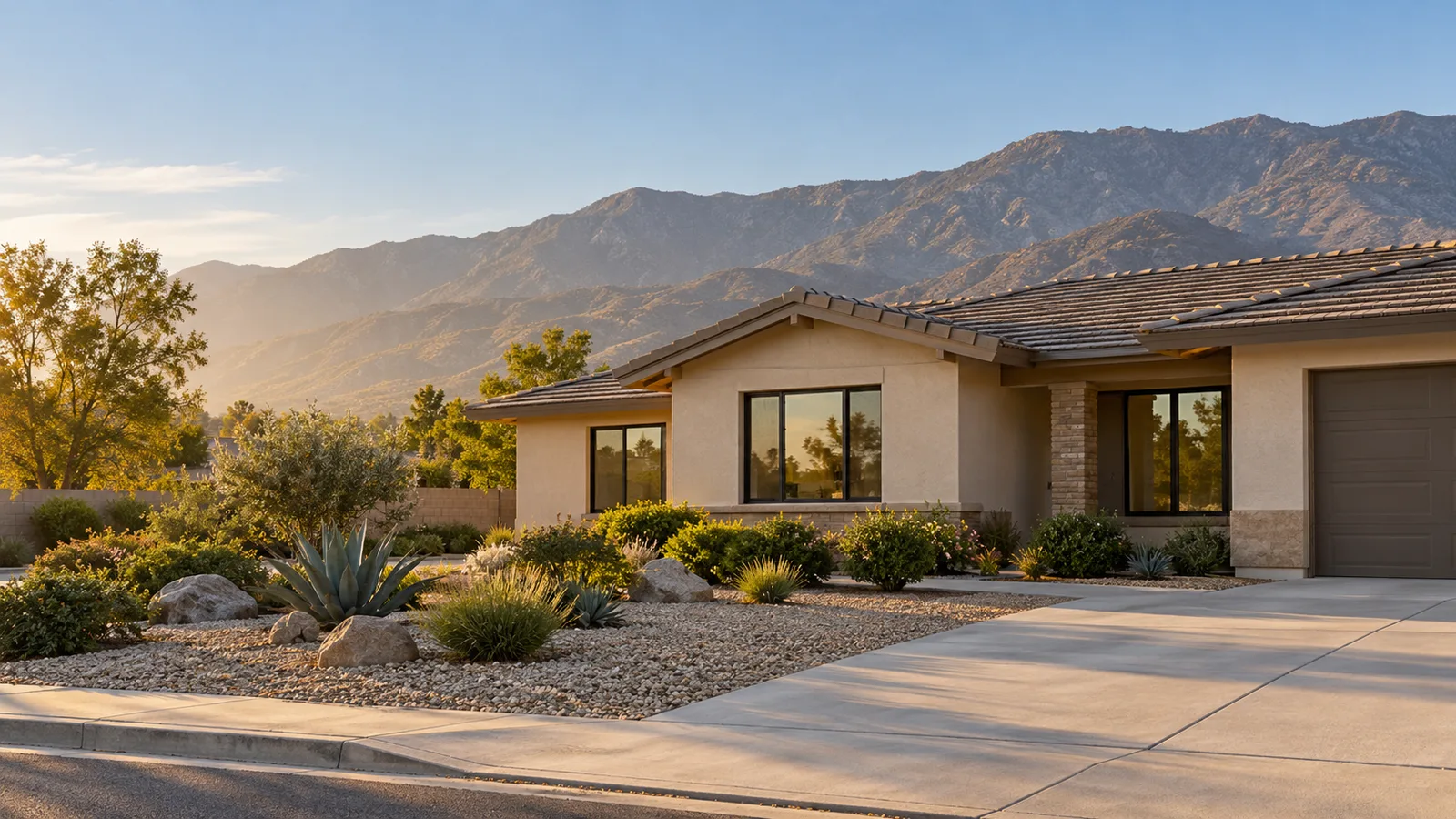
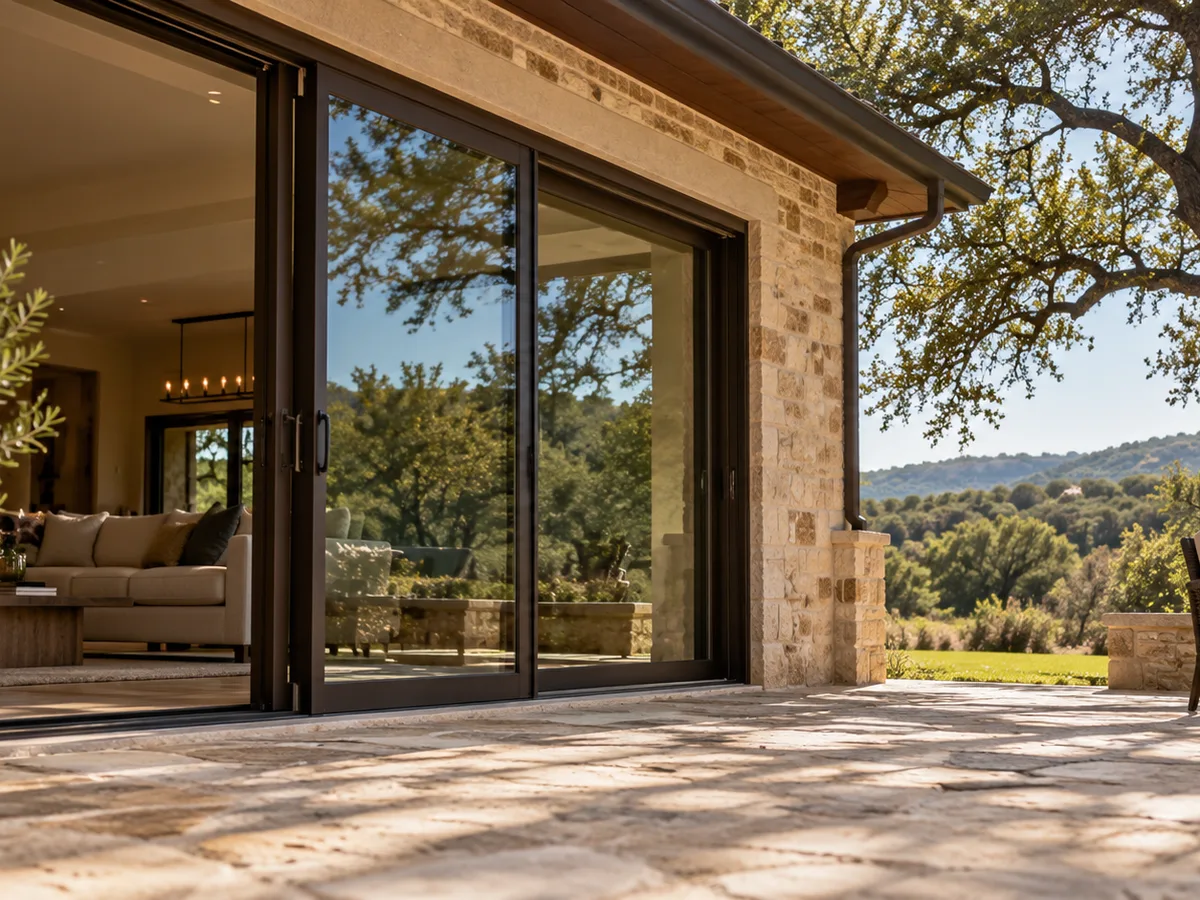
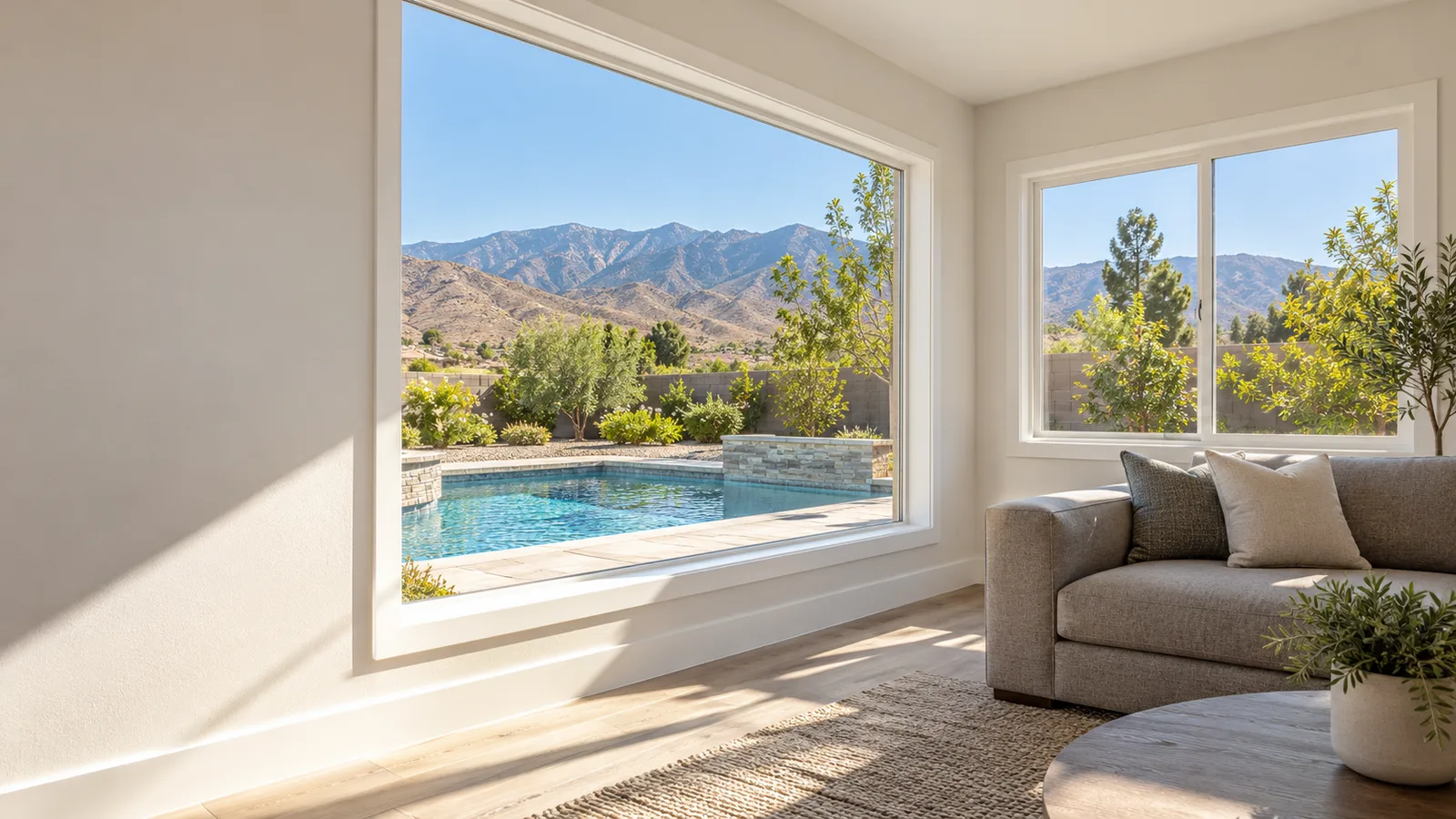
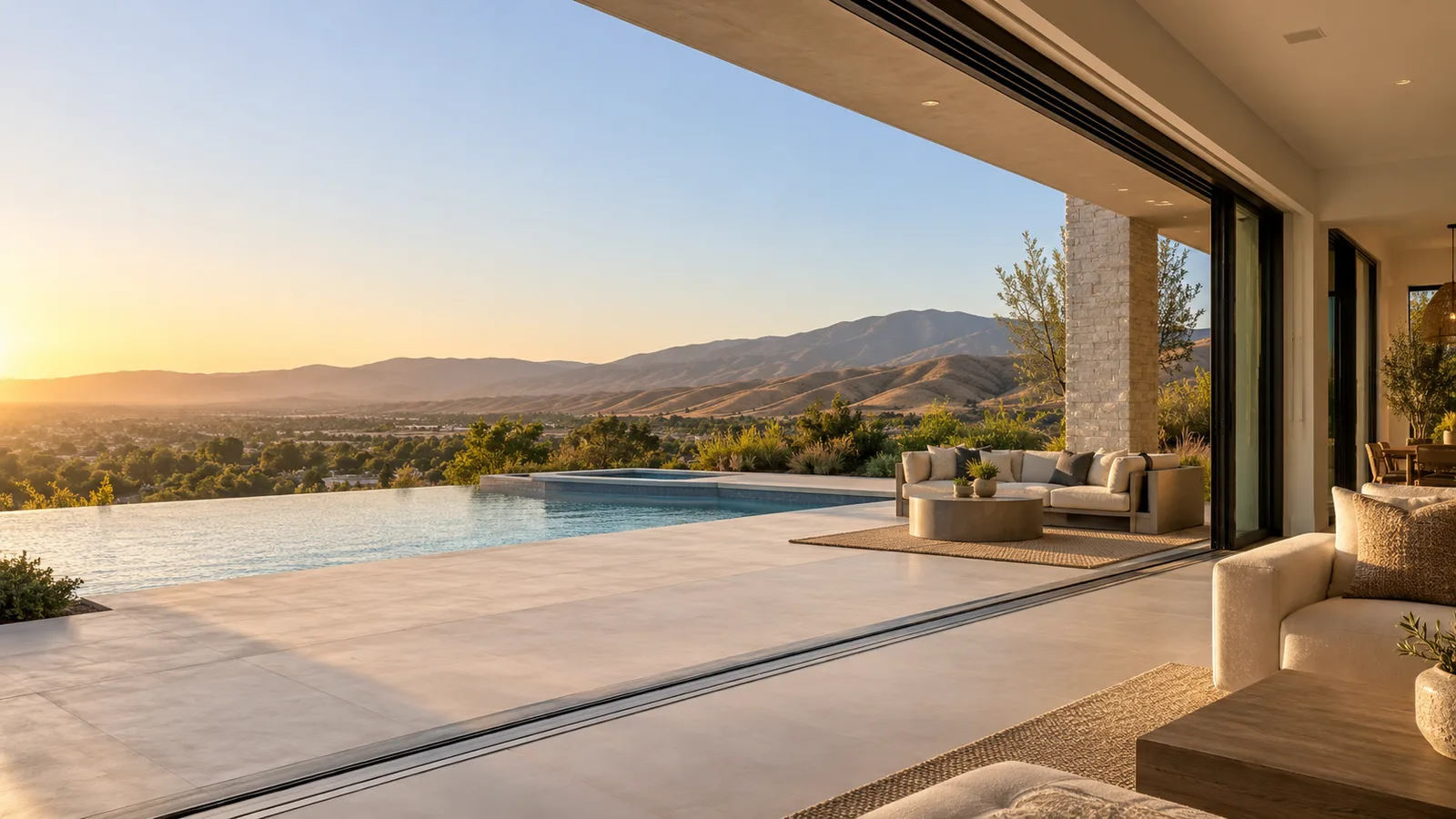
Mid-century Claremont homes favour thin frames and big glass, and the replacement should keep that look. A mid-century design is usually drawn around narrow frames and long runs of glass toward the yard, and that sightline is the whole point of the house.
The energy rules are different here too. Claremont's ZIP code, 91711, falls in Title 24 Climate Zone 9 on the California Energy Commission's list, not the Climate Zone 10 that covers most of the inland communities we serve, so the glass package is written to Claremont's own zone. Summers still often pass 100 degrees, so a low Solar Heat Gain Coefficient on the sunny walls still matters.
North Claremont sits against the foothills, and that adds a fire and wind conversation the older streets near The Village rarely need. Autumn Santa Ana winds can raise fire danger in the foothill areas, and the Claremont Hills Wilderness Park runs along that edge.
Whether a particular parcel is mapped in a Very High Fire Hazard Severity Zone is an address lookup, and we run it before specifying glass. Where it is, replacement windows are generally expected to be dual-pane with at least one tempered pane in an ignition-resistant frame, and the product data on the quote shows the standard the unit meets.
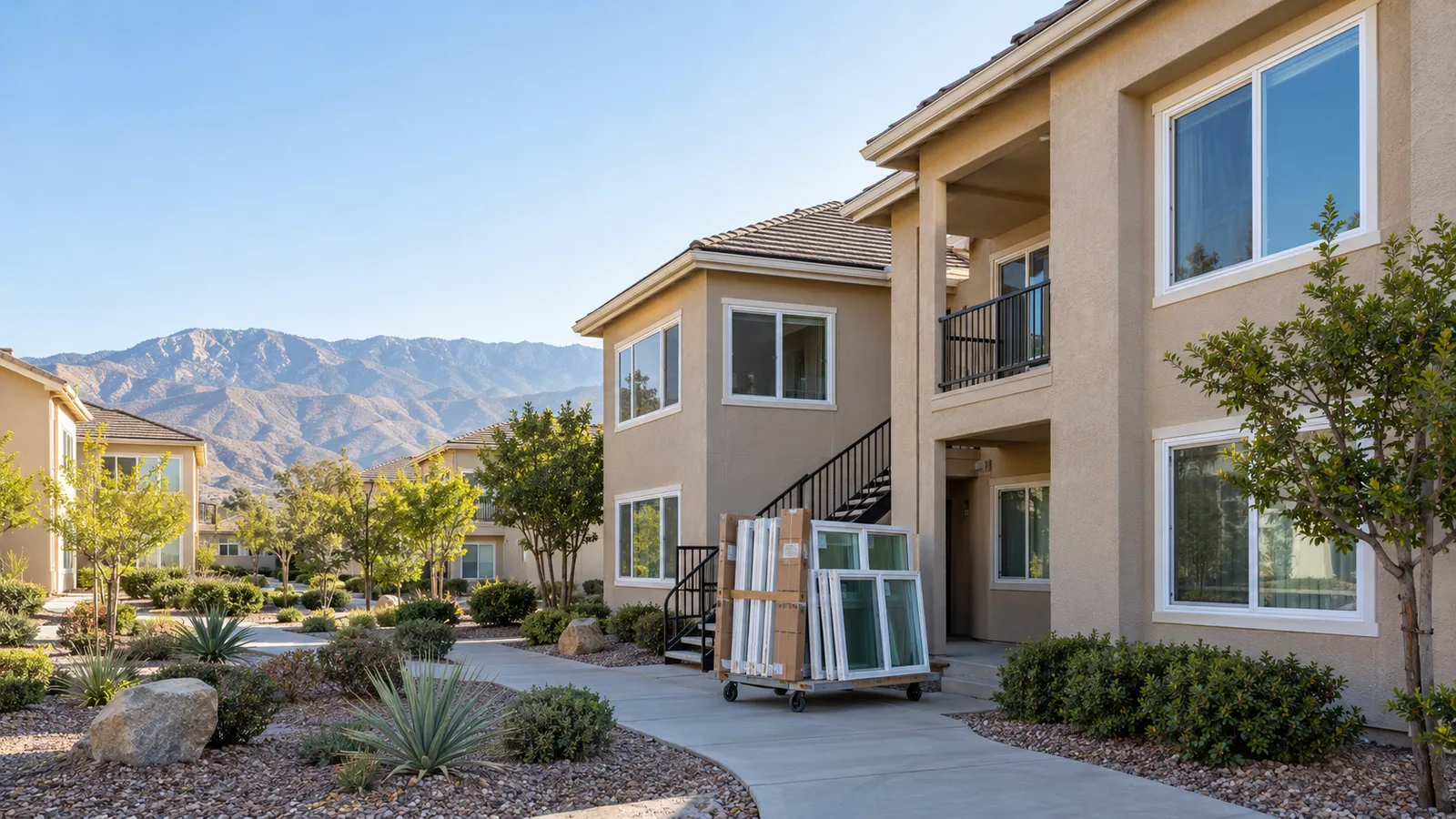
A college town has plenty of rentals, from converted older houses to small apartment buildings, and their owners face a different version of the same decision. A landlord usually wants one durable specification across every unit, a schedule that respects tenants, and windows that still suit the street if the building sits in the historic district.
We build those as one scope: an opening count by unit, one frame and glass package, written tenant notice timing, and a phased install that keeps each unit closed up by the end of the day. Older painted sash in a rental is handled with the same lead-safe containment as in an owner-occupied home. Send the unit count or the opening schedule and we will return a written bid.
Historic sash restoration or replication in Claremont is typically estimated at roughly $800 to $3,000 per window, and whole-house period projects usually run well past $10,000. Clad-wood replacement units are generally estimated at roughly $1,200 to $2,500 per window, and a slim black-frame or steel-look opening on a mid-century home is usually estimated at roughly $1,500 to $6,000 per opening.
What moves the estimate on an older home:
These are estimates only, they may change once each sash is inspected, and your written quote after the free in-home visit sets the final price.
We photograph and measure every opening and note the profile, the muntins and the condition of each sash.
The written scope marks each window restore, replicate or replace, with frame and glass named.
If the house is in the historic district, we confirm whether staff or the commission will review it before ordering.
Containment goes up before old paint is disturbed, every sill is flashed and water tested, and the trim is put back or rebuilt to match.
We operate every sash with you and hand over product data and the written warranty. Owners of a college-area rental or a small apartment building can scope the whole property at once with one specification and a unit schedule.
Questions
Yes. Claremont is in our service area, and older period homes, mid-century houses and foothill homes there are all part of the work we quote.
If the wood is sound, restoration usually keeps the most character for the money. Where rot has reached the sash joints, a replicated wood or clad-wood unit matched to the profile is the better long-term choice.
In the HC historic district, exterior changes can go to the Architectural and Preservation Commission if the director finds a substantial visual impact; otherwise staff handles them. We check before ordering.
In homes built before 1978 it can be. Our scope includes lead-safe containment, careful removal and cleanup whenever old painted sash or trim is disturbed.
Yes. Slim-profile fiberglass or aluminum units keep the narrow sightlines while adding an insulated, Low-E glass package.
Yes. Claremont's 91711 ZIP falls in Title 24 Climate Zone 9 rather than Zone 10, and the glass package is written to that zone.
Many wood and clad-wood lines offer them, along with simulated divided lites that look the same from the street. The muntin type is written on the scope.
Book the free in-home visit. We measure and photograph every opening and send a written quote, and that written quote sets the final price.
Yes. We schedule unit by unit with written notice timing for tenants, and every opening is closed up by the end of each work day.
Homeowners get a free measure at the house. Boards, managers and contractors can send plans or an opening count for a bid.
Calls only, we do not receive text messages.