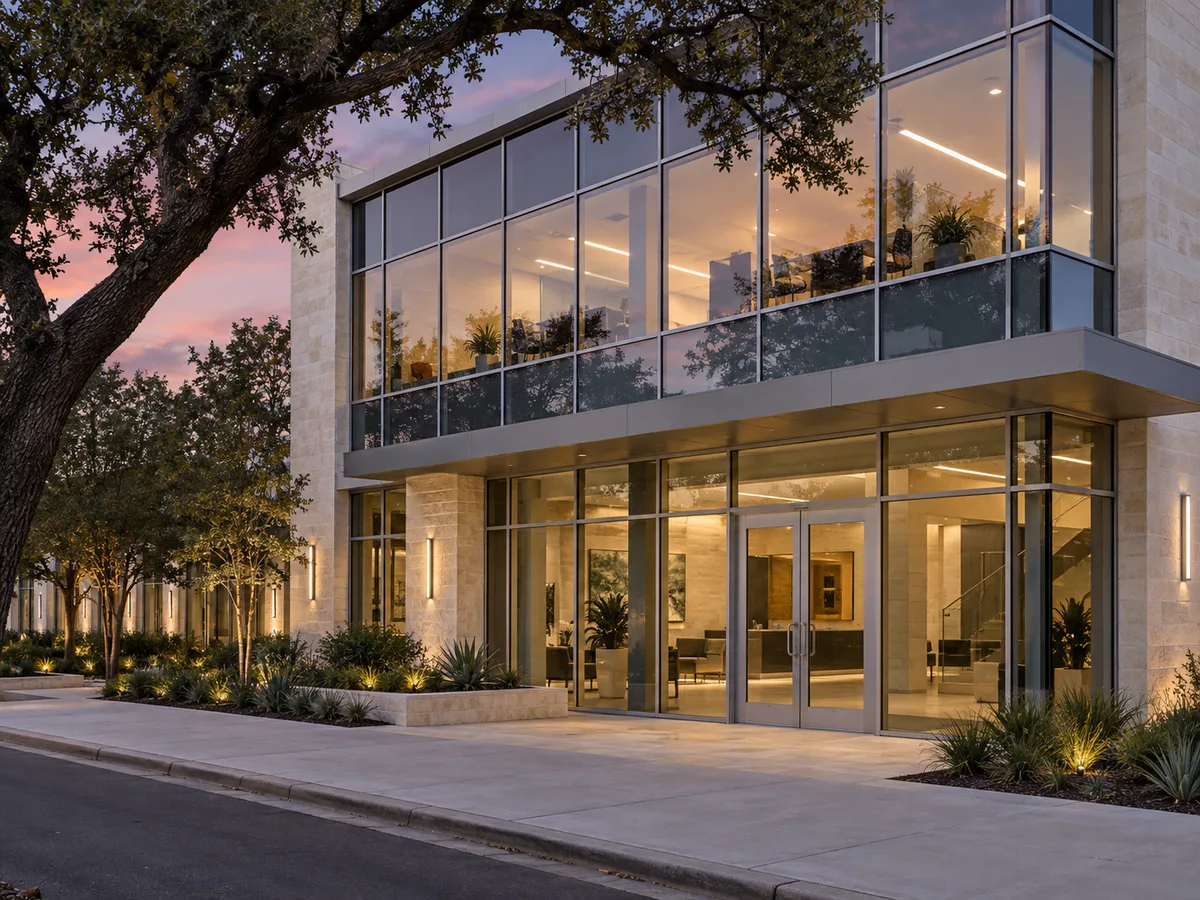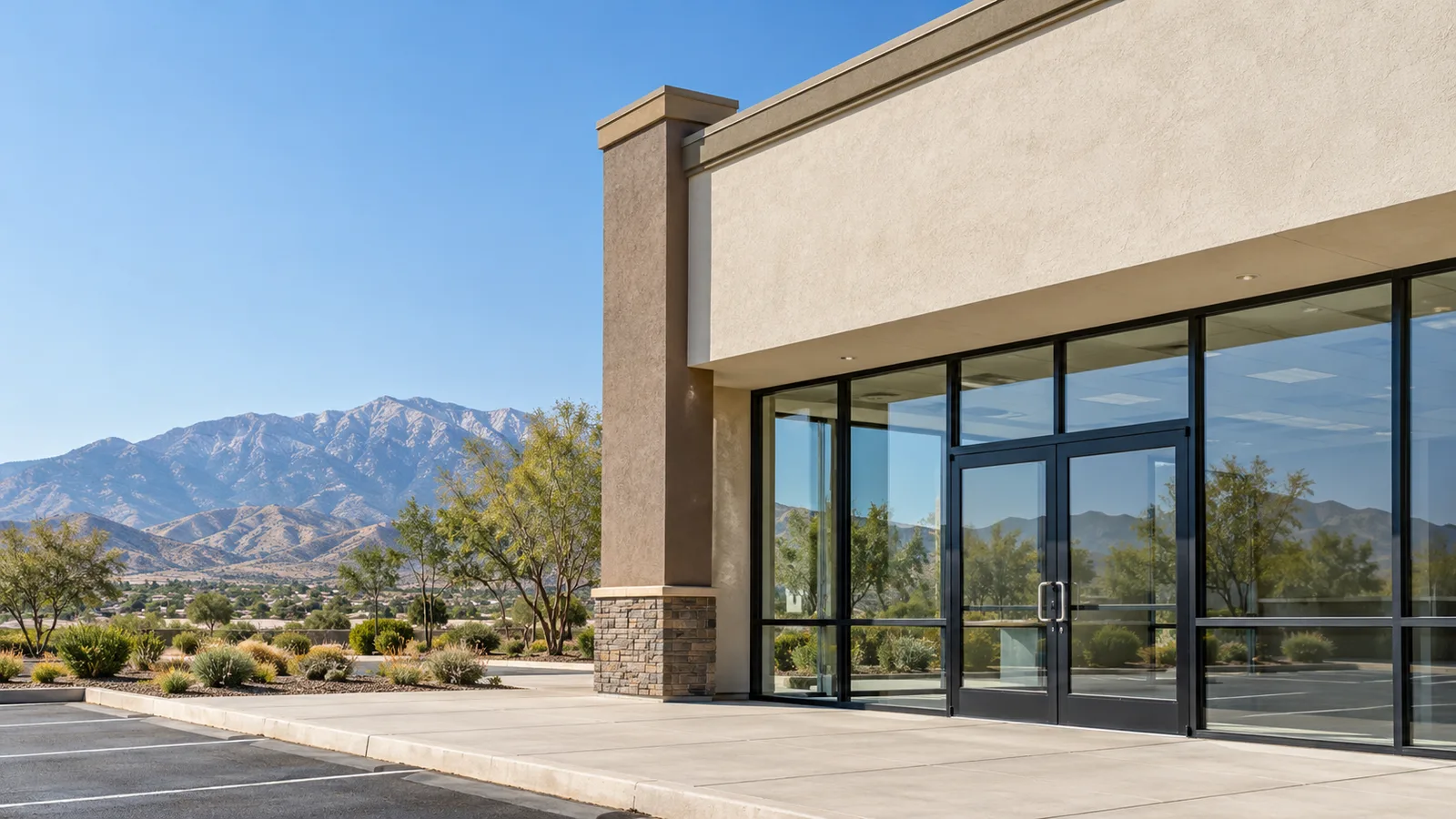
Frame material and color
Vinyl suits most garden-style rentals on budget; fiberglass holds its shape better on walls that bake in the inland sun. One color across all buildings keeps the elevation uniform.
San Bernardino Window Replacement is San Bernardino County's trusted specialist in apartment windows in San Bernardino, CA, specializing in building-wide window replacement, vacant-unit turn installs and sliding glass door upgrades for rental communities. We offer dual-pane vinyl and fiberglass frames and tempered safety glazing where the code calls for it.
Our team provides one approved product spec across the whole property, delivering fewer parts on the maintenance shelf and quieter, cooler units for both residential and commercial projects. Before anything is ordered, we submit product data and the NFRC label values for the owner's approval, then the installer who sets the mock-up unit walks it with the property manager before the phased rollout starts.
From written 24-hour entry notices and a building-by-building schedule to the final punch list walked with the manager, our team handles every detail. Serving San Bernardino, Redlands, Highgrove and Upland, we keep rent rolls intact while the work moves through the property.
Why San Bernardino Window Replacement
The installer who measures your openings is the one who sets the new windows, from the first visit to the final walk.
Apartment owners in San Bernardino replace windows across a whole property, not unit by unit, because one contract, one product and one schedule cost less to run than a hundred separate service calls. A piecemeal approach leaves a building with three frame colors, four glass packages and a parts closet nobody can keep stocked.
Much of the rental stock in the valley is garden-style: one or two storeys, units opening straight to the outdoors, walk-up stairs and no elevators. That shape suits a rolling replacement. Crews work from the ground and from ladders on the second floor, every opening is reachable from outside, and a building can be finished and closed out before the next one starts.
The other reason is the glass itself. A sealed insulated glazing unit relies on a perimeter seal and a desiccant in the spacer. When the seal fails, moisture fogs the space between the panes, and replacing the unit is the only complete fix. On an older property the failures arrive one at a time, every month, as work orders. Replacing the whole building at once turns a running repair line into one capital project the owner can plan.
Tenant entry notice sets the daily sequence on an occupied apartment window job. California Civil Code Section 1954 lets a landlord enter a unit to make necessary or agreed repairs and improvements, but only with reasonable written notice that states the date, the approximate time and the purpose, and only during normal business hours unless the tenant agrees otherwise at the time.
Twenty-four hours is presumed reasonable notice under that section, and a notice sent by mail is presumed reasonable when it goes out at least six days before the entry. So the install calendar is built backwards from the notices: we give the manager a written list of units by day, the office serves the notices, and the crew arrives inside the window the notice promised.
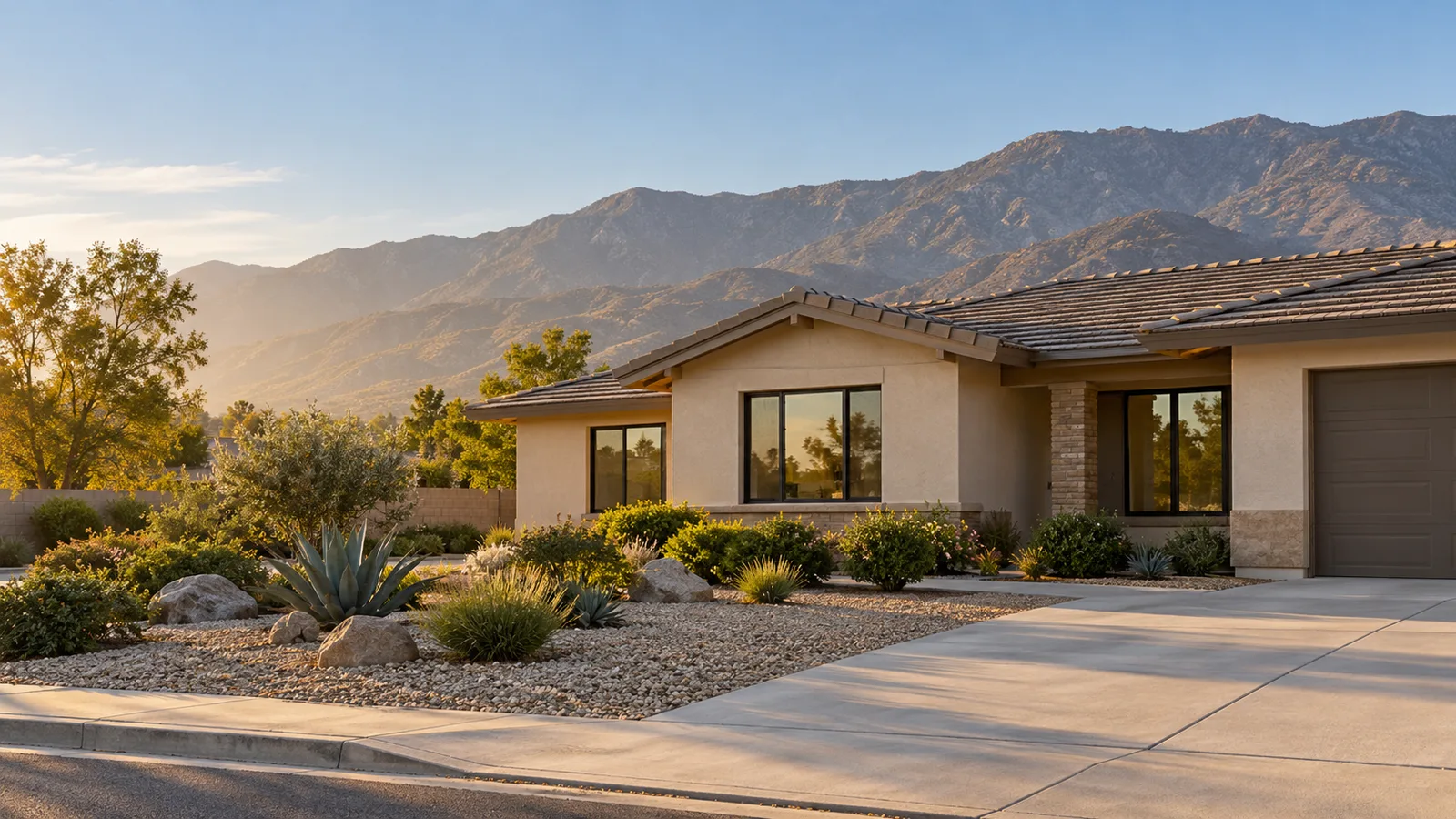
A vacant unit is the easiest place to install apartment windows, because no tenant has to be notified, no furniture has to be moved and the crew can work the whole day without interruption. Section 1954 itself says no notice is required after a tenant has abandoned or surrendered the unit.
On a property with steady turnover, we fold vacant units into the schedule as the office releases them. The painter, the flooring crew and the window installer can share one vacancy, which keeps the unit off the market for less time than three separate visits would. Occupied units still follow the notice calendar, and the two lists run side by side until every opening on the property carries the new spec.
One approved window spec across an apartment property means every replacement sash, screen and glass unit for years afterward is the same part. The spec sheet is written once and approved once.
Vinyl suits most garden-style rentals on budget; fiberglass holds its shape better on walls that bake in the inland sun. One color across all buildings keeps the elevation uniform.
Dual-pane insulated glass with a Low-E coating, chosen by its NFRC U-factor and SHGC. Tempered glass goes wherever the code requires safety glazing, such as openings near doors and stairs.
Sliders and single-hung units with one hardware set and one screen size per opening type, so maintenance stocks a handful of parts instead of dozens.
Retrofit or full-frame, decided per building after the walk, and written into the scope so every unit in that building is done the same way.
A phased apartment window rollout runs building by building and floor by floor, so only one section of the property is ever under work and the rest of the community carries on as normal.
We walk every building with the manager, count openings by type and size, and note which units are vacant, occupied or due to turn.
One unit gets the approved spec first. The owner and manager inspect it inside and out before the order for the rest is placed.
A written schedule lists each building, its units by day and the notice date each needs, so the office can plan notices weeks ahead.
Old units are removed, new ones set, flashed and sealed, and debris leaves the unit the same day it was made.
Each building is walked with the manager and its punch list cleared before the crew moves on, and the property receives the product data and written warranty at closeout.
Window replacement in a rental building built before 1978 disturbs painted surfaces, and the EPA's Renovation, Repair and Painting rule applies to that paid work in pre-1978 housing. The EPA states plainly that landlords must follow the rule when such work is done on a pre-1978 rental.
On an older property the scope therefore describes lead-safe work practices for each unit: plastic containment at the opening, misting and minimal dry scraping, HEPA vacuuming and wet cleaning before the tenant returns to the room. The construction year of each building goes on the bid so the owner can see which phases carry that work.
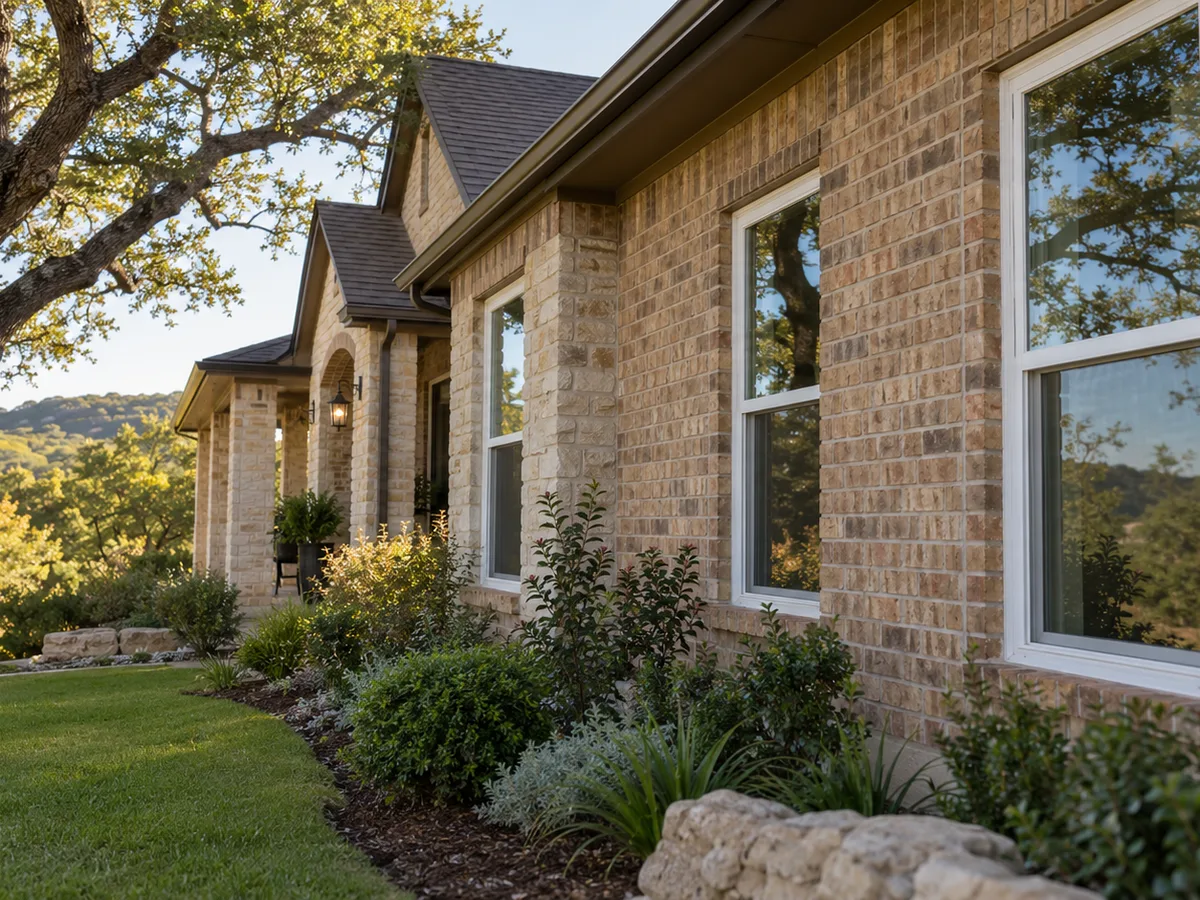
A whole-property apartment window program in the Inland Empire is typically estimated at roughly $150,000 to $1 million or more per property, and the opening count, the glass package and the access on each building move that number more than anything else.
The bid itself is built from the property, not from a price list:
Per-unit and per-property figures on this page are budgetary estimates, and they can change with product pricing and the conditions found on the walk. The written bid sets the final price. Send the unit count, the building list or the plans, and we will build the bid around them.

The process
Four steps, and nothing is ordered until you have signed off on the written quote.
We look at every opening with you, check the frames, the sills and the stucco around them, and measure each one for the unit that will go in it.
Frame material, glass package, label values, install method and the order date arrive in writing. For a community or a commercial building the work is split into phases, so every resident or tenant knows their day.
Old units come out, openings are checked for water damage, and each new window is set, flashed and sealed, with a water test at the sill before trim goes back.
We open and lock every window and door with you before calling it finished, and adjust anything you flag.
Also from our installers
Service area
Questions
Yes. Occupied units are scheduled from a written list the office uses to serve entry notices under Civil Code 1954, and installs run during normal business hours unless the tenant agrees otherwise. The crew removes the old window, sets and seals the new one and clears debris before leaving the unit.
California presumes 24 hours of written notice is reasonable, and six days when the notice is mailed. The notice states the date, the approximate time and the purpose of the entry. We give the manager the unit-by-day list early enough to serve every notice on time.
Either works to start. A unit count and the building list give a budgetary range; a site walk and opening-by-opening takeoff give the written bid. If plans or an elevation set exist, send them with the count.
Most owners phase by building so one section is under work at a time and the cost spreads across a capital plan. One approved spec covers every phase, so a building done later matches the first one exactly.
Vacant units move to the front of the schedule. No entry notice is needed for a surrendered unit, and the window crew can share the vacancy with the painter and flooring trades so the unit returns to the market sooner.
On buildings constructed before 1978 it can be. The EPA renovation rule covers paid work that disturbs paint in pre-1978 rentals, so the scope for those buildings spells out containment, HEPA cleanup and wet cleaning at every opening.
The approved product data, the NFRC label values for each unit type, the signed-off punch list for each building and the written warranty. Those papers make future service calls simple, because every replacement part is already specified.
Homeowners get a free measure at the house. Boards, managers and contractors can send plans or an opening count for a bid.
Calls only, we do not receive text messages.